Environmental Policy

ADVERTISEMENT

Citizen Climate Assemblies: Can Ordinary People Design Better Policies?

In the face of escalating environmental crises, the traditional frameworks of environmental governance often prove inadequate for addressing the complex interdependencies within ecosystems. Climate change, pollution, deforestation, and the loss of biodiversity challenge the very foundations of human existence and the natural world.

The Rise of B Corps: Can Certified Businesses Lead the Sustainability Revolution?

As awareness of environmental issues and social justice grows, businesses are increasingly scrutinized not only for their financial performance but also for their social and environmental impacts. Amid this shift, a new breed of company has emerged: Certified B Corporations, or B Corps.

Why the High Seas Treaty Could Be a Game-Changer for Marine Biodiversity

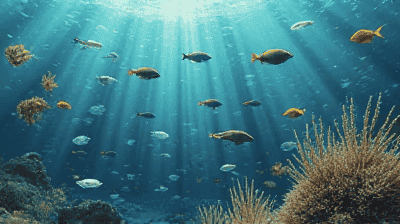
The oceans cover more than 70 percent of the Earth's surface, yet they remain one of the least governed environments on the planet. The high seas, which lie beyond national jurisdiction, account for about two-thirds of the ocean's area and are rich in biodiversity and resources.

ESG Reporting Mandates: Which Countries Require Corporate Climate Disclosures?

In recent years, Environmental, Social, and Governance (ESG) criteria have become a cornerstone in the landscape of corporate accountability and sustainability. Companies globally are increasingly recognizing the importance of ESG reporting as stakeholders demand transparency regarding their environmental and social impacts.

Greenwashing vs. Genuine Action: How to Spot Truly Sustainable Companies

In a world increasingly concerned about environmental sustainability, consumers are more aware than ever of the impact their purchases have on the planet. As a result, many companies are beginning to prioritize sustainability in their operations and messaging.

Net-Zero Pledges Under Scrutiny: Why Many Corporate Plans Lack Credibility

The urgency to address climate change has catalyzed a wave of commitments from corporations worldwide to achieve net zero greenhouse gas emissions. As more companies announce their ambitious climate targets, it becomes crucial to scrutinize the credibility of these pledges.

India's National Clean Air Programme: Progress and Pitfalls After 5 Years

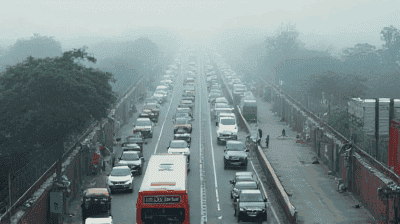
Air pollution is one of the most pressing environmental challenges facing India today. With rapidly growing urbanization, industrialization, and vehicular emissions, poor air quality has become a public health crisis, affecting millions of lives across the country.

Air Pollution Discrimination: How Redlining Still Affects Environmental Health Today

Air pollution is one of the most pressing environmental challenges of our time, with profound impacts on human health, ecosystems, and climate. However, while air quality deteriorates across various regions, the burden of pollution does not fall equally on all communities.

The European Green Deal: Can the EU Become the First Climate-Neutral Continent?

As the impacts of climate change become increasingly apparent, the need for immediate and effective action has never been more urgent. The European Union (EU) has responded to this challenge with the European Green Deal, an ambitious plan to transform its economy and society to achieve climate neutrality by 2050.

The Montreal Protocol's Unexpected Bonus: How It Slowed Global Warming

In a world grappling with climate change and environmental degradation, international treaties aimed at global cooperation are more important than ever. One of the most successful environmental agreements to date is the Montreal Protocol, which was established in 1987 to address the depletion of the ozone layer caused by chlorofluorocarbons (CFCs) and other ozone-depleting substances (ODS).
  • 1
  • 2